
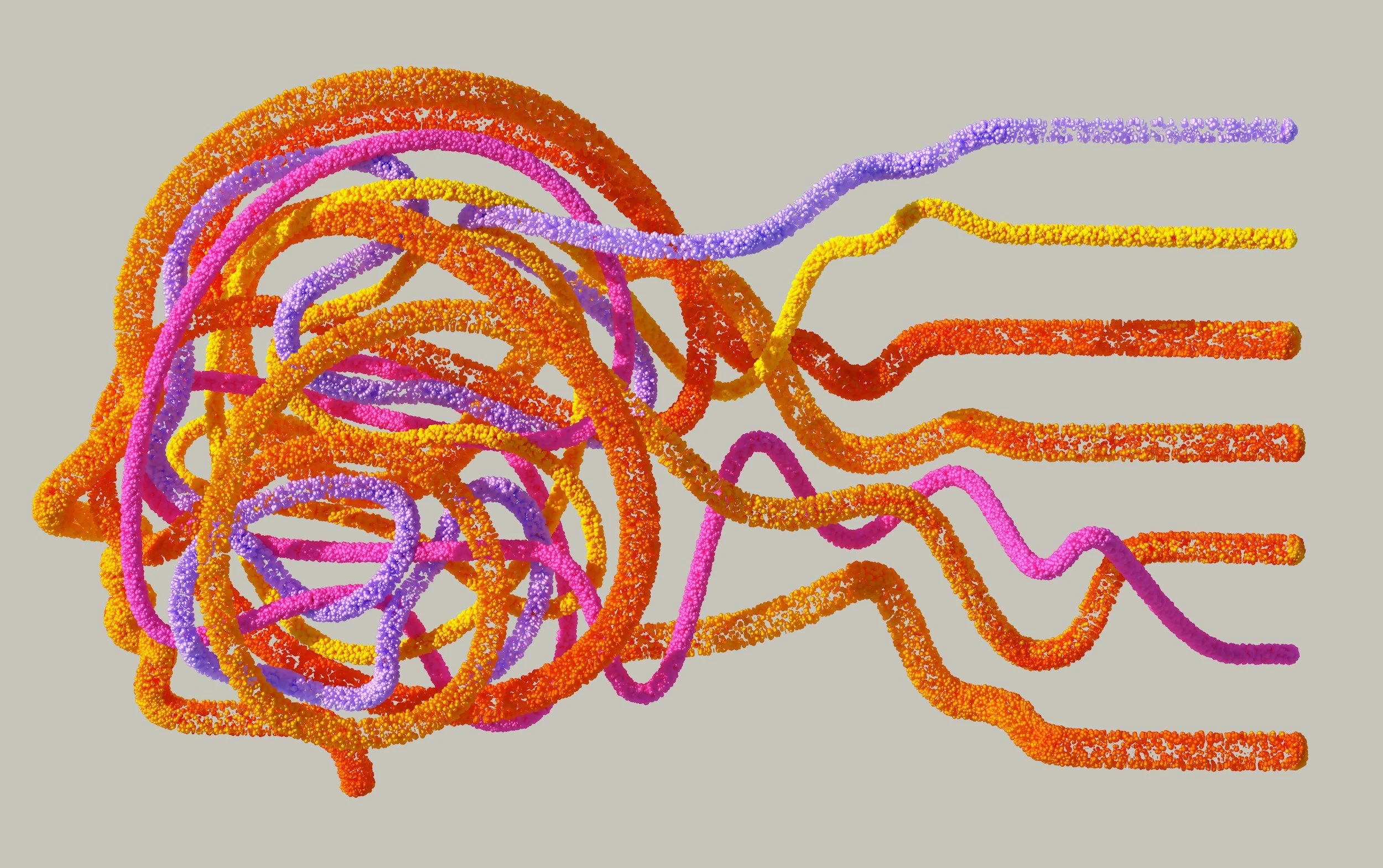
ADHD & Neurodiversity
I provide therapy and counselling services for people experiencing ADHD and neurodiversity.

ADHD & Neurodiversity
Living in a world that isn't always designed with neurodivergent people in mind can be exhausting.
Whether you have a diagnosis of ADHD, autism, or identify as neurodivergent in another way, you may find yourself struggling with things that seem to come more easily to others. You might experience overwhelm, burnout, anxiety, difficulties with relationships, low self-esteem, emotional intensity, or a constant feeling that you're somehow getting life "wrong".
Many neurodivergent people spend years masking their differences, trying to fit expectations that don't feel natural or sustainable. Over time, this can leave you feeling disconnected from yourself, exhausted, or unsure of what you genuinely need.
Therapy offers a space to better understand yourself and your experiences. Together, we can explore the challenges you're facing, make sense of patterns that may have developed over time, and identify ways of living that feel more authentic and supportive of who you are.
My approach is neurodiversity-affirming, which means I don't see neurodivergence as something that needs to be fixed. Instead, we'll work to understand your individual experiences, strengths, challenges, and needs, helping you develop greater self-compassion and confidence in navigating the world as yourself.
Alongside my professional experience, I also have personal experience of ADHD, which gives me an understanding of some of the realities that can come with living as a neurodivergent person. However, I recognise that every person's experience is unique, and I will always be interested in understanding yours.
-
While therapy won't remove ADHD, it can help you understand how it affects your emotions, relationships, self-esteem, work, parenting, and daily life. Many people find that therapy helps them develop greater self-understanding and a more compassionate relationship with themselves.
-
This is a common experience for many neurodivergent people. When your brain works differently from those around you, it can be easy to compare yourself unfavourably or feel as though you're falling short. Therapy can help you understand these feelings, challenge unhelpful self-beliefs, and develop ways of working with your brain rather than against it.